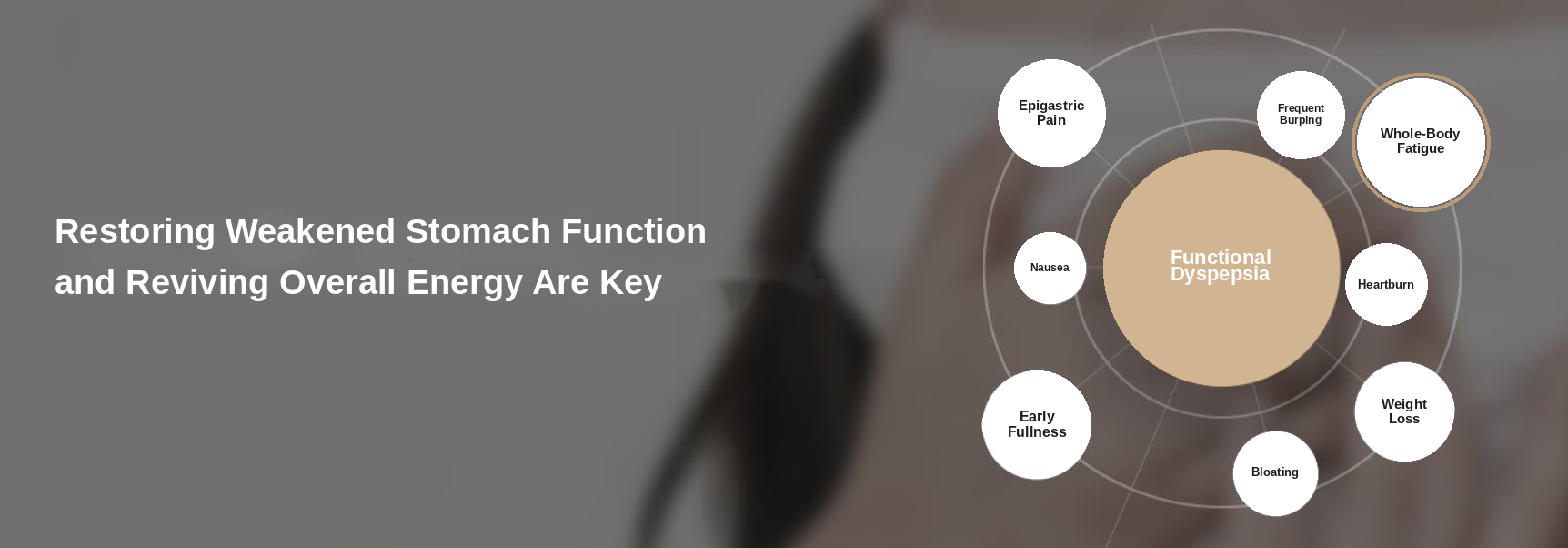
Functional dyspepsia, common among seniors, is a condition involving chronic digestive trouble despite the absence of any specific organic disease such as an ulcer or tumor. It tends to arise from a combination of physical and environmental changes that accumulate with age, and it can significantly reduce a patient’s quality of life.
Indigestion in older adults goes beyond a simple stomach problem — it is closely tied to overall physical aging and living circumstances.
▪️ Physiological Aging: Reduced elasticity of the stomach’s smooth muscle lowers gastric motility and emptying ability, along with decreased secretion of stomach acid and digestive enzymes.
▪️ Reduced Chewing Function: Tooth loss or denture use can lead to inadequately chewed food being swallowed, placing extra strain on the stomach.
▪️ Polypharmacy: The effects of medications taken for other conditions, such as arthritis (NSAIDs), high blood pressure, or diabetes.
▪️ Autonomic Nervous System Imbalance and Psychological Factors: Depression, anxiety, stress, and sleep deprivation in older age can suppress vagus nerve activity, impairing stomach function.